
Reviewed · CANOES & KAYAKS
Ile d Ambre Kayaking
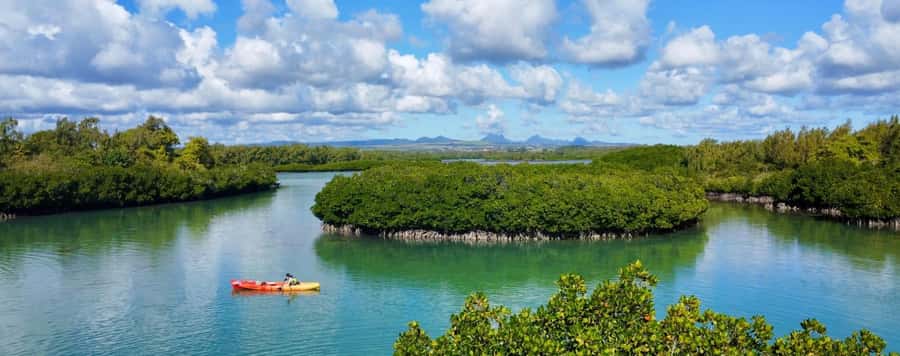
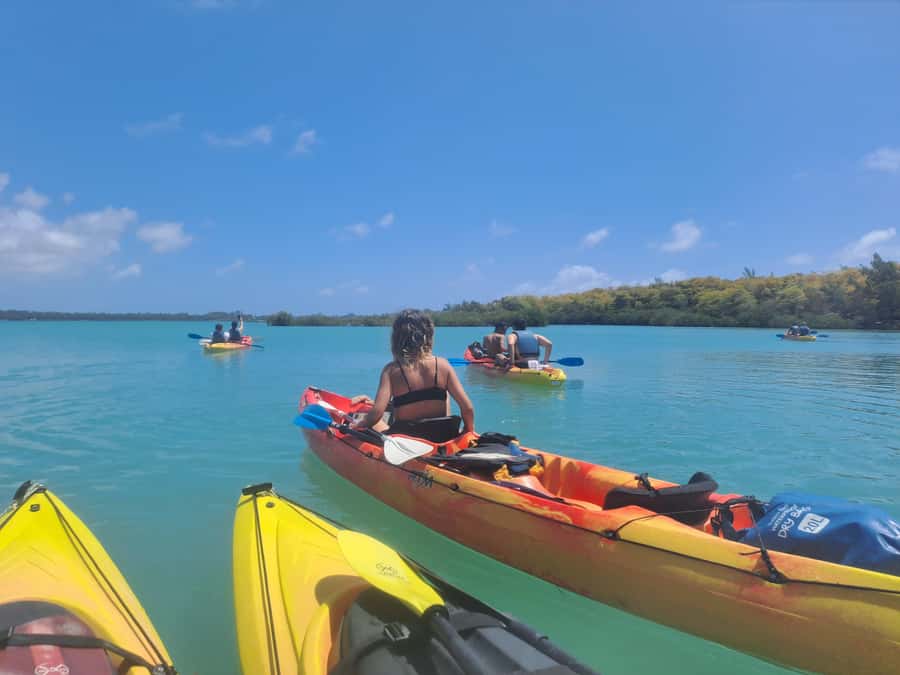
Ile d’Ambre is best seen from water level, where your kayak slips between mangrove roots and moored traditional pirogues instead of racing past on a motorboat. I especially like the small-group format and the mix of paddling, swimming, a forest walk, and island history. The guides, including Henrico, are attentive and well trained, with safety briefings based on Paddle UK standards.
The main point to consider is that this is a three-hour introduction, not a long wilderness paddle. One guest hoped for more time kayaking through the forest, so book it for a balanced outing rather than an all-day expedition. Also, the Goodlands meeting point can be tricky to find, so wait for the exact directions by email or WhatsApp.
Key points at a glance
- 137 hectares of mangrove and island scenery: Paddle about 300 meters from shore into Ile d’Ambre National Park.
- A proper safety briefing: Guides follow Paddle UK standards and explain how to handle the kayaks before setting off.
- More than kayaking: The outing adds a swim or snorkel stop, a short walk, and a visit to historic ruins.
- Guides who explain the setting: Learn about mangroves, marine life, island plants, conservation work, and the islet’s 300-year history.
- Useful gear is supplied: Kayaks, paddles, sea shoes, dry bags, and masks are available, with rain jackets supplied as needed.
- A local finish: Expect cakes, juice, and filter coffee at the kiosk before paddling back.
Why Ile d’Ambre works so well by kayak
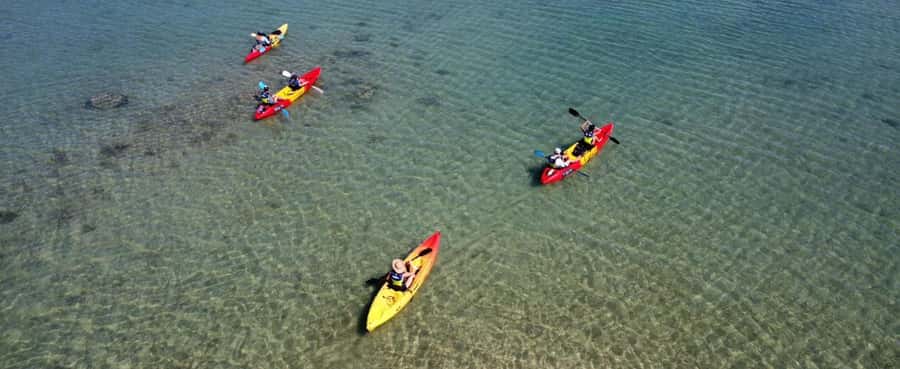
The pleasure here comes from the pace. A kayak moves slowly enough for you to notice the mangrove branches, shallow water, and small channels. You are not simply being carried around the coast. You help set the rhythm, and the guide can point out what you would likely miss from a larger boat.
The route begins near Goodlands and heads toward Ile d’Ambre, an island protected as a 137-hectare national park. The island is only about 300 meters from the starting area, but the short crossing quickly changes the mood. You leave the working shore and its moored pirogues behind, then enter a quieter area shaped by tidal water and mangrove growth.
I like that the trip does not treat the mangrove as decoration. The guide explains why these plants matter, how they support marine life, and how conservation work helps protect the area. That makes the paddle more than a pretty outing. You come away with a clearer idea of how the coast functions.
The water scenery is likely to be the star, but this is not a wildlife guarantee. Marine life is part of the explanation, and you may see signs of it while paddling or snorkeling, but the experience does not promise particular animals. Bring your curiosity rather than a checklist.
More Kayak Tours in Mauritius:
- Mauritius: Guided Kayak Tour on Tamarin River
★ 4.7 · 268 reviews - Tamarin: Guided Kayak Tour with Dolphins
★ 4.5 · 190 reviews - Afternoon Guided Kayak Tour on the Tamarin River
★ 5.0 · 93 reviews
Getting on the water near Goodlands
The advertised starting point is XM7P+93 Goodlands. This is one of the practical details you should take seriously. The exact meeting directions are sent by email or WhatsApp because the location is not easy to find, even with Google Maps.
I would not leave the directions until the last minute. Save the message, check it before setting out, and allow enough time for traffic. One group arrived late because of traffic and was kindly waited for, but that is not something to count on every day.
Once everyone is gathered, the guide gives a safety briefing. This covers the basics before you launch and follows Paddle UK standards. The emphasis on safety is useful for first-time paddlers, and it also keeps the group moving in an orderly way.
You do not need to arrive with a full kayaking kit. High-end kayaks and the main equipment are supplied. Sea shoes, dry bags, and masks are available if you need them, and rain jackets are supplied. The written details describe some of these items as provided and also say they can be lent to you if you forgot them, so it is wise to ask the operator about current availability before you go.
Bring a change of clothes, water, biodegradable sunscreen, and waterproof shoes if you have them. Reef-safe sunscreen is strongly recommended, and the operator can supply it if you do not have your own.
Slaloming past pirogues to Ile d’Ambre
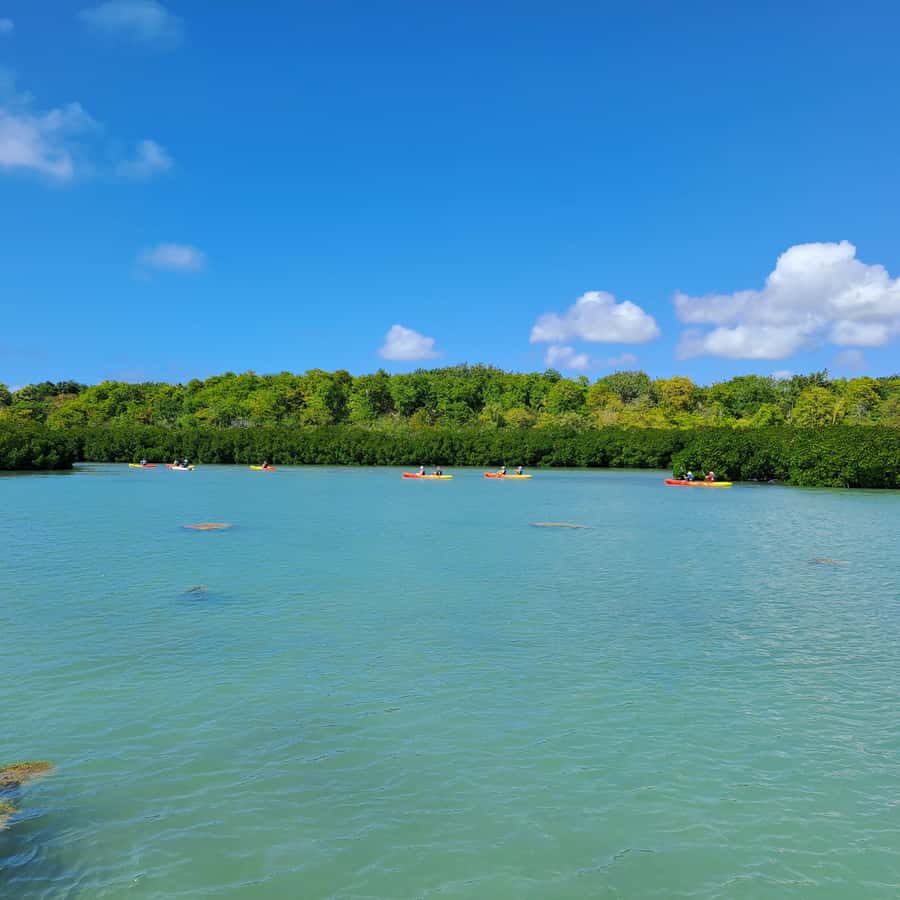
The first paddling section takes you between moored traditional pirogues, also called skiffs, before you reach the national park. This is a small but memorable part of the route. You begin in a working coastal setting, then move into the protected island area.
The guide leads the group, so you are not expected to know the route. The description of the outing says it was developed specifically for this area, and that shows in the way the paddle connects the shore, the mangroves, and the far side of the island.
You should expect some basic paddling effort, but the short three-hour format keeps the outing manageable. The guides are regularly trained, and small groups allow them to watch how everyone is handling the kayak. That matters if you are new to sea kayaking or feel unsure about turning and steering.
The group size can vary because private and small-group options are available. If personal attention is important to you, ask which format you are booking. English and French are offered, so confirm your preferred language when arranging the trip.
Inside the mangroves
The mangrove section is the heart of the experience. Rather than simply circling the island, you paddle through the trees and learn how mangroves grow in a coastal environment. The guide explains their role in the ecosystem, along with the marine life and conservation efforts connected to the park.
This is where a kayak has a real advantage. A motorboat might cover the same distance faster, but it would not give you the same quiet control. You can pause when the guide is speaking, angle the kayak toward a narrow passage, and take in the changing shapes of the roots and branches.
The scenery is calm and enclosed, though you should keep your expectations realistic. This is not a long forest expedition. One person who enjoyed the trip still felt there was less paddling through the forest than expected. If your main goal is hours of continuous kayaking beneath trees, this may feel brief. If you want a gentle paddle combined with other activities, the balance makes more sense.
The quiet also helps explain why the excursion appeals to people looking to get away from busy coastal activity. The trip is designed around a peaceful route, with a guide offering context rather than a nonstop stream of entertainment.
Same lagoon, a completely different day out:
- Mauritius: Ile Aux Cerfs Catamaran Trip w/ Lunch & Transfer
★ 4.3 · 1,922 reviews - Mauritius: Full-Day Catamaran Cruise to the Northern Isles
★ 4.7 · 1,798 reviews - Île aux Bénitiers: Snorkeling w/Dolphins Boat Tour & Lunch
★ 4.0 · 1,635 reviews - Mauritius: Private Southwest Chamarel Highlights Tour
★ 4.8 · 1,427 reviews
A swim or snorkel stop in the coastal water
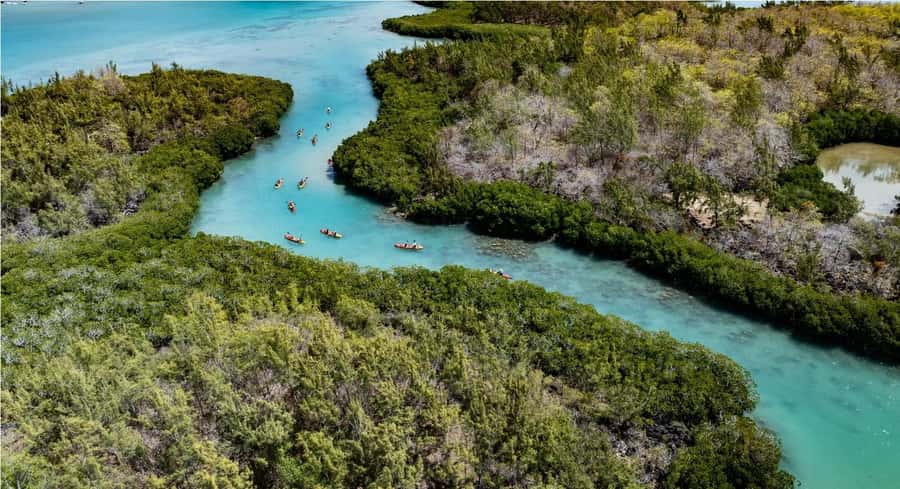
The itinerary includes a chance to stop for a short swim or snorkel. This breaks up the paddling and gives you time to enjoy the water directly rather than viewing it only from the kayak.
Masks are supplied if you do not have one. You should still bring swimwear and a change of clothes, since the tour does not end when you leave the water. The operator also recommends reef-safe sunscreen, a sensible choice for a marine setting.
The stop is described as short, so do not book this expecting a lengthy snorkeling session. It works better as one part of a varied morning or afternoon. The exact conditions may affect how much time you spend in the water, and the guide will manage the stop with safety in mind.
For me, this is an important value point. A kayaking trip can become repetitive if you remain seated for the full three hours. Adding a swim, a walk, and refreshments gives the outing several distinct chapters.
Crossing the island on foot
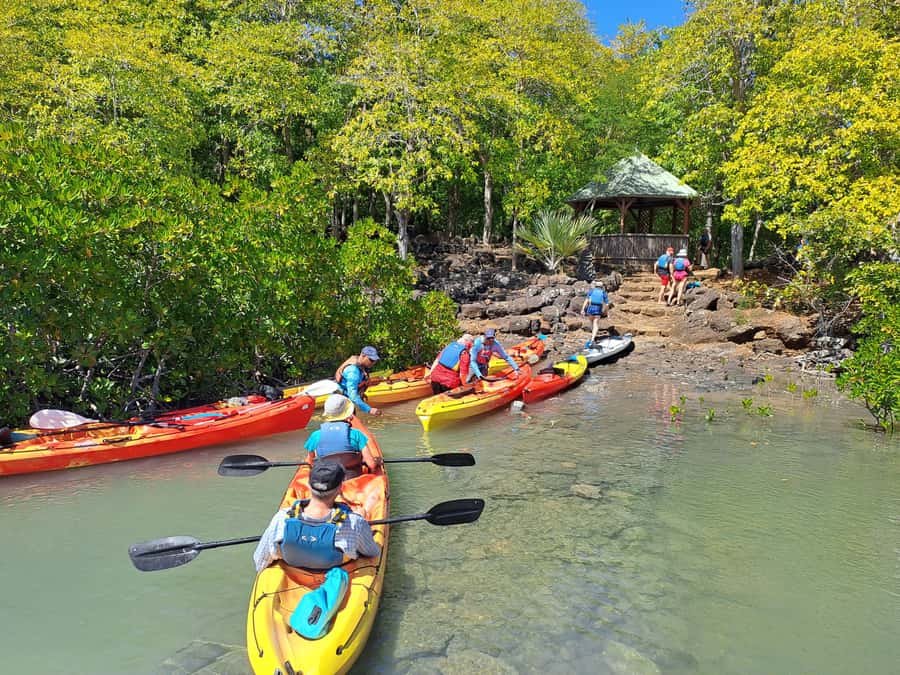
After the mangrove paddle, the guide shows you toward the other side of Ile d’Ambre. You then leave the kayaks for a short walk through the national park.
This walk leads to ruins connected with the islet’s 300-year history as an inhabited place. The guide explains the remains and the island’s past, adding a human layer to the natural setting. The stop is not presented as a large archaeological site, so think of it as a brief historical visit rather than a major museum-style attraction.
The walk also gives your arms a rest. That may sound minor, but it improves the rhythm of the trip. You paddle, stop for water, walk through the forest, then return to the coast with a better sense of the island as a whole.
The guide also discusses local flora and conservation during this part of the outing. That makes the walk useful even if ruins are not your main interest. You learn how the protected area is being cared for, not just what it looked like in the past.
Local cakes and coffee at the kiosk
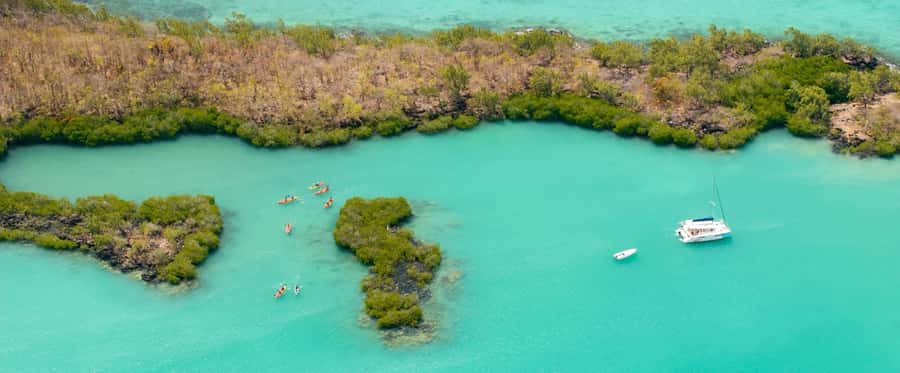
At the kiosk, refreshments include local cakes, juice, and filter coffee. This is a simple touch, but it adds character to the trip. You are not handed a generic snack bar and sent on your way. The food gives you a small taste of Mauritius and a chance to talk with the guide before the final paddle.
If you have dietary restrictions, ask about the cakes before booking or arriving. No special dietary information is provided, so do not assume every option will suit you.
The refreshment stop also helps put the $64 price into perspective. You are paying for three hours with qualified guides, kayaks and safety equipment, access to a protected island setting, a snorkel or swim stop, a guided walk, conservation and natural history explanations, and refreshments. It is more expensive than renting a kayak for a short self-guided paddle, but it offers far more structure and interpretation.
I consider the price fair for someone who wants the whole package. It is less compelling if you only want to paddle and plan to skip the explanations, walk, and snack stop. The small-group option is especially useful for people who value direct help and a less crowded outing.
Paddling back with a better sense of the island
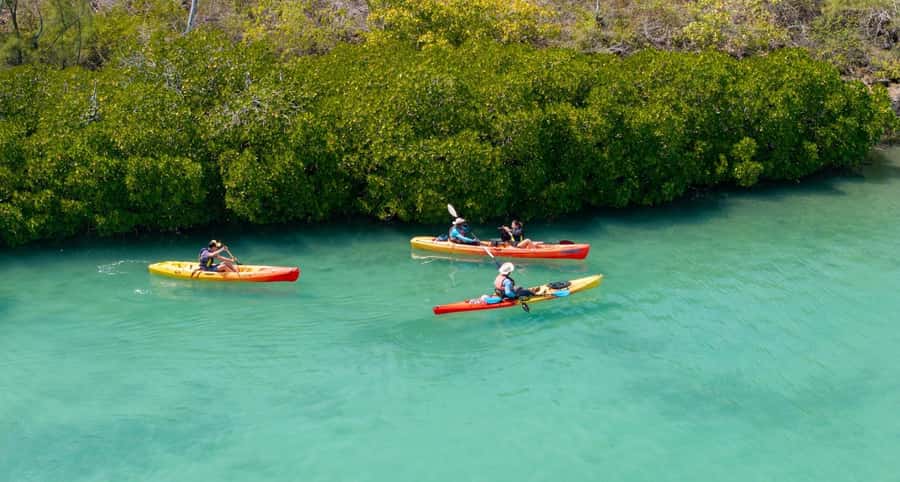
The route returns to the same Goodlands starting point. By then, you have seen Ile d’Ambre from several angles: from the crossing, inside the mangroves, on foot near the ruins, and from the water during the swim stop.
That return journey is not simply transport back to shore. You now recognize the route and understand why the mangrove channels matter. The trip’s strongest feature is this combination of movement and explanation. The guide is not just there to steer you. Guides such as Henrico are expected to pay attention, explain the setting clearly, and keep the group comfortable.
The bilingual format is another practical strength. English and French are available, and the small-group setting should make it easier to ask questions. The experience is private or available in small groups, so it suits couples, families, and friends who would rather avoid a large boat excursion.
No fishing is allowed. That rule fits the conservation focus and keeps the outing centered on observation, paddling, and learning.
Who will enjoy this three-hour outing
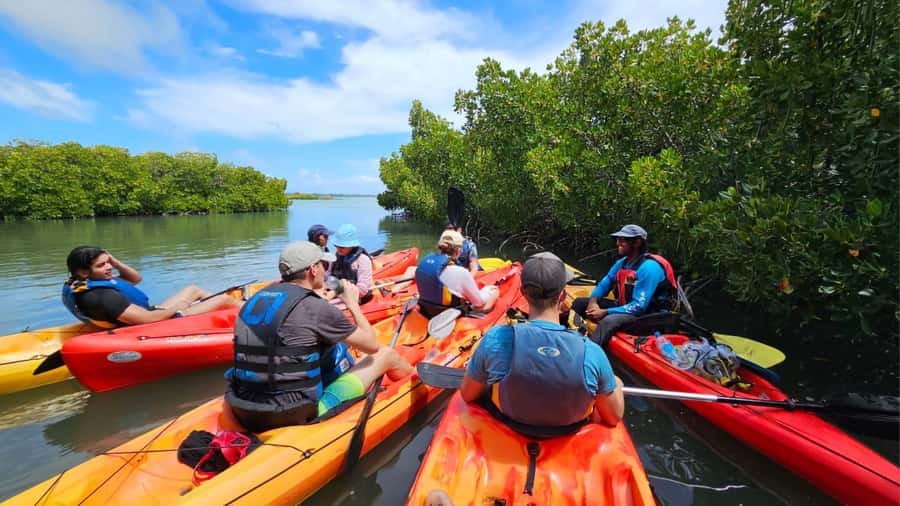
I would recommend Ile d’Ambre Kayaking to you if you want a gentle outdoor activity with several elements packed into one morning or afternoon. It is particularly well suited to:
- First-time sea kayakers who want a proper briefing and a guide-led route
- Couples and small groups seeking a quieter alternative to motorboat trips
- Visitors interested in mangroves, coastal ecology, and conservation
- Families or mixed-ability groups who prefer a short paddle with breaks
- People who like combining nature with local history and food
I would be more cautious if you want a demanding athletic paddle, a full day on the water, or a long snorkeling session. The outing is structured and varied, but each part is relatively short. The kayaking is central, yet it shares time with the walk, swim, explanations, and refreshments.
You should also be comfortable with a meeting point that requires careful directions. The operator’s email or WhatsApp instructions are important, and the route to Goodlands may take extra planning.
Should you book Ile d’Ambre Kayaking?
Book it if you want to see Ile d’Ambre slowly and quietly, with a guide who can explain what you are looking at. The mangrove route, short swim or snorkel, island walk, historic ruins, and local cakes make this a well-rounded three-hour experience.
Skip it if your priority is nonstop paddling through a large forest area. For most people, the strength lies in the variety. At $64 per person, it offers good value when you use the equipment, guiding, history, conservation talk, water stop, walk, and refreshments as one complete outing.
Plan your directions before the day, bring dry clothes and water, use reef-safe sunscreen, and tell the operator which language you prefer. If you do that, Ile d’Ambre Kayaking is a sensible way to trade the noise of a motorboat for the quiet dip and pull of a paddle.
FAQ
How long does Ile d’Ambre Kayaking last?
The guided kayaking experience lasts three hours, including the safety briefing, paddling, swim or snorkel stop, island walk, history and conservation explanations, refreshments, and return to Goodlands.
How much does the experience cost?
The listed price is $64 per person.
Where does the tour start?
The starting point is XM7P+93 Goodlands, Mauritius. Exact directions are sent by email or WhatsApp because the meeting point can be difficult to find using Google Maps alone.
What languages are available?
Live guiding is available in English and French.
Is the activity private or shared?
Private and small-group options are available. You should check the specific format when booking.
What equipment is supplied?
The operator supplies high-end kayaks and gear, a safety briefing, dry bags, sea shoes, and masks if needed. Rain jackets are also supplied, and the operator says some items can be lent to you if you forgot them.
What should I bring?
Bring a change of clothes, water, biodegradable or reef-safe sunscreen, and waterproof shoes. Fishing is not allowed.
Just added around Mauritius
- Mauritius : private wild south fullday tour★ 5.0 · 3 reviews
- SouthEast Lagoon Discovery on shared basis on a Power Catamaran★ 5.0 · 3 reviews
- Mauritius: Private Guided South Tour with Pickup★ 5.0 · 3 reviews
- Mauritius: Ile aux cerfs, waterfalls and bbq Boat Day★ 4.8 · 3 reviews
- Mauritius Guided Kayak Experience to Benitiers Island★ 5.0 · 3 reviews
- Mauritius Guided Sunrise Kayak Tour on the Tamarin River★ 5.0 · 3 reviews
- 5 Islands Tour: New OCÉANE Private Pontoon Boat cruise★ 5.0 · 3 reviews
- Mauritius Hiking 7 waterfalls Trip with Ganga Talao & Lunch★ 4.7 · 3 reviews
Canoes & Kayaks, compared.

Afternoon Guided Kayak Activity on the Tamarin River
Read our review →
Browse the lists this tour appears in