
Reviewed · STREET FOOD TOURS
Mauritius: Port Louis Street Food City Tour
Port Louis makes its best first impression through food. This three to four hour walk links about eight tastings with the city’s market, Chinatown, old buildings, and colonial-era gardens, so you get a meal and a useful introduction to Mauritius in one outing. I like the way it shows how Indian, Chinese, African, Creole, and Islamic influences meet on one compact city walk. I also like the small group limit of 10, which gives the guide room to adjust the pace and explain what you’re eating. The main drawback is that this is a walking tour with no hotel pickup, and the food stops may not suit you if you have strict dietary needs that have not been discussed in advance.
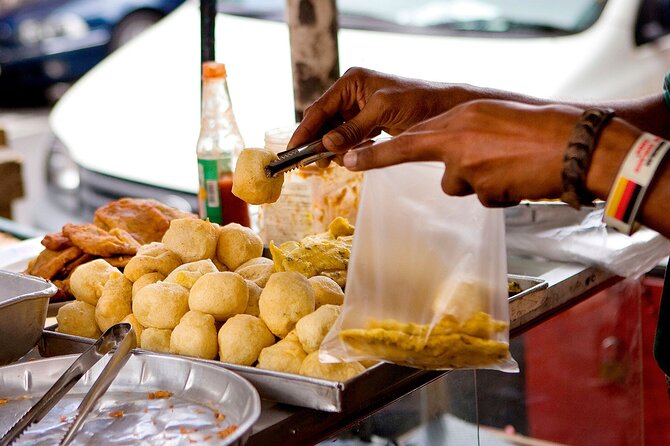
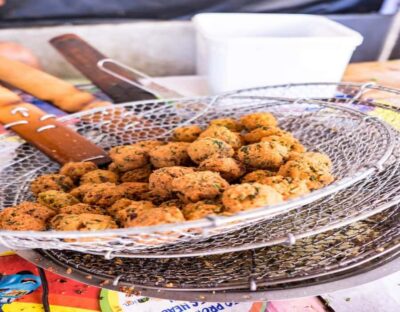
- Gato pima at Central Market: Try Mauritius’s crisp chili bites made from soaked split peas, spring onions, and green chilies.
- Eight food tastings: The food is not an afterthought. Snacks, lunch, local tastings, and bottled water are included.
- Port Louis in one walk: Move from Aapravasi Ghat and Jummah Mosque to Chinatown, Central Market, and Company Garden.
- A small group: The tour accepts a maximum of 10 people, a useful size for busy streets and food stalls.
- Dourvesh may lead the walk: His approach, based on the experience described, includes history, local food, and room to follow your interests.
- A useful half-day plan: Start at 10:00 am at IBL House and finish back at the same meeting point.
Why This Port Louis Food Walk Works
I see this experience as a walking introduction to Port Louis rather than a simple eating tour. You are not taken straight from one restaurant to another. Instead, the route uses food to explain the city’s people, trade, migration, and religious life.
That matters in Mauritius. The island’s cooking reflects Indian, Chinese, and African roots, and Port Louis puts those influences close together. A fried split-pea snack at the market, Hakka-style food in Chinatown, and the architecture around Jummah Mosque all help you understand the city in a way that a bus ride cannot.
The pace sounds pleasantly relaxed. One person who took the tour described having the right amount of information and time to look around independently. That balance is important in Port Louis, where the appeal lies as much in side streets and shopfronts as in formal sights.
The tour lasts roughly three to four hours. The listed stops add up to about two and a half hours, leaving time for walking, food, and transitions between sites. You should plan for a steady morning on foot, with plenty of pauses but no long vehicle transfer.
Starting at IBL House at 10:00
You meet at IBL House in Port Louis at 10:00 am. The tour ends back at the same point, which makes planning the rest of your day easier. Since hotel pickup and drop-off are not included, you need to make your own way to the meeting point.
The activity is near public transportation, and a mobile ticket is provided. Confirmation arrives when you book. Because the group is capped at 10, the guide can usually keep the walk together without making the experience feel like a large city procession.
A small group also helps at food stops. You can ask what an ingredient is, pause for a photo, or mention an interest in history or food without holding up dozens of people. The tour guide Dourvesh is praised in the supplied comments for giving clear information and adapting the walk to individual interests. If he is leading your departure, you can expect a guide who combines food with the city’s story rather than treating each tasting as an isolated snack.
More Street Food Tours in Mauritius:
- Port Louis: Street Food & City Tour
★ 4.7 · 518 reviews - Port Louis: Street Food & City Tour
★ 4.9 · 377 reviews - Port-Louis Street Food Tour
★ 5.0 · 264 reviews
Aapravasi Ghat and the Story Behind Mauritius
The first major stop is Aapravasi Ghat, a World Heritage Site covering 1,640 square meters. You spend about 30 minutes here, with admission included.
This is one of the most important historical stops in Port Louis. In 1834, the British Government selected Mauritius for what it called the great experiment, replacing enslaved labor with indentured labor. Between 1834 and 1920, nearly half a million indentured laborers arrived from India at Aapravasi Ghat.
Many worked on Mauritius’s sugar plantations. Others were sent onward to Reunion Island, Australia, southern and eastern Africa, and the Caribbean. The site therefore connects Mauritius to a much wider movement of people and labor.
The remaining buildings are modest, but the story is anything but small. A short visit here gives you useful context for the Indian influence you will see later in the market and in Mauritian food. It also keeps the food experience from becoming a shallow list of exotic dishes.
Thirty minutes is enough for an introduction, though not for a full study of the site. If you want a long museum visit, this tour may feel brief. If you want the essential background before exploring the city, the stop earns its place.
Jummah Mosque and Port Louis Architecture
The walk continues to Jummah Mosque, with about 10 minutes allocated for the stop and admission included.
The mosque dates from the 1850s and combines Indian, Creole, and Islamic architectural elements. It was formerly known as Mosquée des Arabes, or Mosque of the Arabs. Next to the mosque is a marble tomb containing the remains of Jamal Shah, a pir from Kutch in India.
Ten minutes is a short pause, so think of this as an exterior and cultural introduction rather than an extended religious visit. The stop works well because it shows how several traditions meet in the city’s buildings. Port Louis is not neatly divided into separate cultural quarters. Its streets reflect layers of trade, migration, faith, and colonial rule.
You should dress and behave respectfully around a place of worship. The supplied details confirm admission, but they do not specify visiting rules, so follow the guide’s instructions on where to stand and what areas may be entered.
One Hour Among the Old Shops of Chinatown
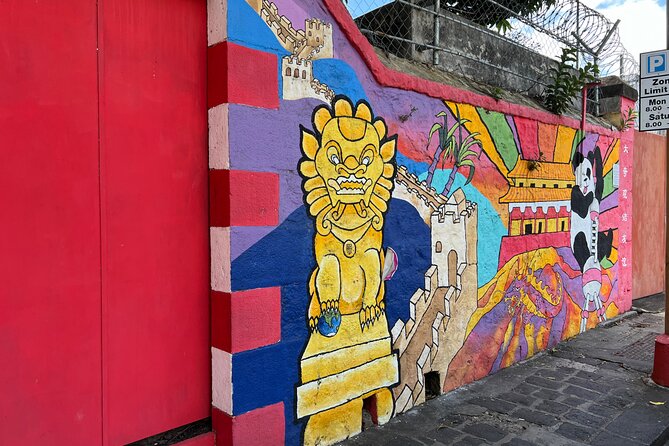
Chinatown receives the longest scheduled stop, about one hour. This is where the food focus becomes especially clear.
The quarter contains shops, some more than 100 years old. Several Chinese-Mauritian families have run businesses there for generations, and many older premises have kept their small, dark shopfronts instead of being replaced by newer structures. Those plain interiors are part of the area’s character.
Trade has long been important to Sino-Mauritian culture. Chinatown once served as a major commercial center, but supermarkets reduced its role and the district lost some of its former status. That change gives the area a lived-in quality. You see both older family businesses and newer buildings where current shops operate.
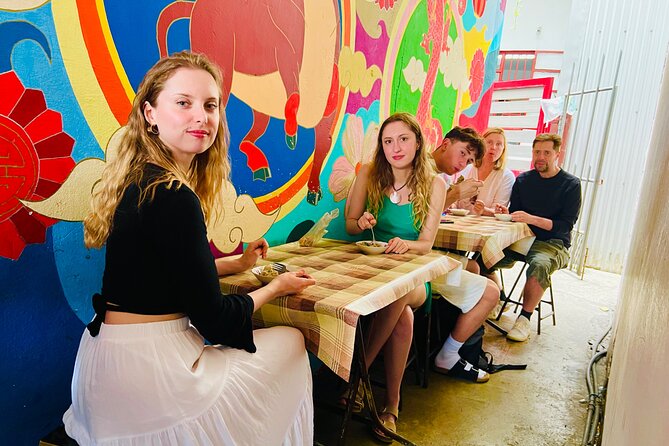
The food here comes from Hakka Chinese traditions. The tour includes tastings connected with that heritage, adding another layer to the Indian and African influences found elsewhere in Port Louis. The exact dishes can vary, but the overall promise is about eight different things to try across the walk.
This hour should give you time to eat, look at shopfronts, and hear how commerce shaped the city. It is also the part of the route most likely to reward curiosity. Ask the guide about ingredients, family businesses, or how Chinese food in Mauritius differs from dishes you know at home.
Do not expect a polished modern food hall. Chinatown’s appeal is its old commercial fabric, including cramped shops and buildings that may look worn. If you prefer sleek restaurants and formal seating, this section may feel basic. If you want to see how a neighborhood works beyond the tourist center, it is a strong part of the tour.
More Food Tours in Mauritius:
- Mauritius: Port Louis Street Food Walking Tour
★ 4.5 · 93 reviews - Mauritius: Snorkeling with Turtles & Port Louis Street Food
★ 4.4 · 61 reviews - Mauritius: Sights of the South Private Tour with Rum Tasting
★ 4.7 · 42 reviews - Mauritius : Swim with turtles and Port Louis Street food tour
★ 4.5 · 38 reviews
Gato Pima and Port Louis Central Market
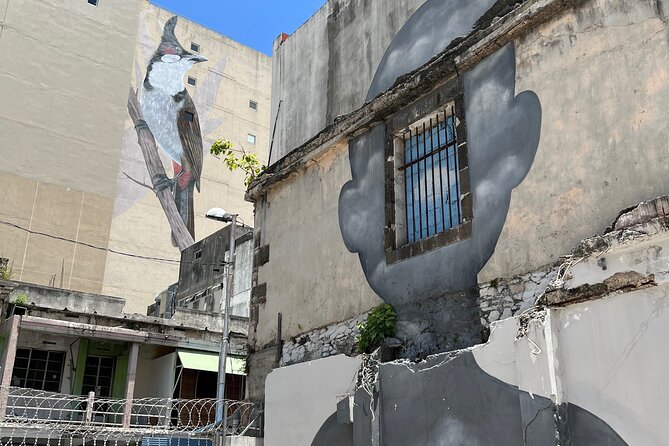
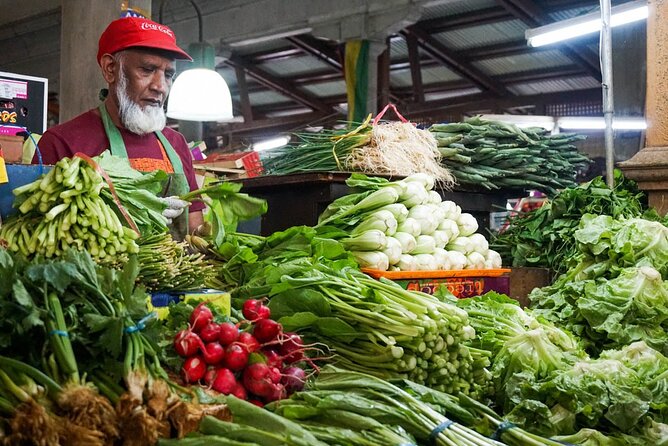
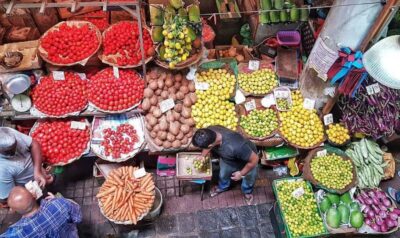
The Central Market is the tour’s key food stop. You spend around 30 minutes in this lively open-air market, where vendors sell fruit, herbs, spices, and potions as well as prepared food.
The signature tasting is gato pima, a deep-fried chili bite made from soaked split peas, spring onions, and green chilies. The small fritters are crisp outside, soft inside, and lively with heat. The green chili and spring onion give them a fresh edge, while the split peas make them more filling than their size suggests.
This is exactly the sort of food best tried at a market rather than explained on a restaurant menu. You see the setting, the ingredients, and the everyday rhythm around the snack. The guide can also help you understand what you are tasting, which is useful when a local name tells you little about the dish.
The market stop includes food tastings, and the tour also covers snacks, lunch, bottled water, and other food samples. The food is substantial enough that one person described being completely full by the end. That is worth noting: this is not a tour where you should eat a large breakfast and expect only tiny bites.
Markets can be crowded and noisy, and the details supplied do not promise seating at every stop. Wear comfortable shoes, keep your belongings secure, and expect to eat in a casual setting. The reward is direct contact with the city’s daily food culture.
A Quiet Pause at Company Garden
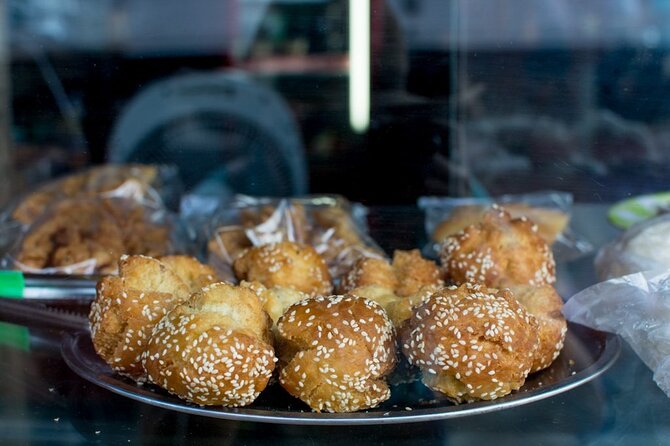
After the market and Chinatown, the walk reaches Les Jardins de la Compagnie, also called Company Garden. You spend about 20 minutes here beneath large banyan trees, among statues, benches, and fountains.
The garden began as the vegetable patch of the French East India Company. Today, it offers a welcome change from Port Louis’s commercial streets. The hanging banyan roots and broad canopies give the stop a distinctive look, while the benches offer a place to pause after several tastings.
The garden also includes statues by local sculptor Prosper d’Épinay and memorials connected with Ti Frère, a much-loved Mauritian musician. These details add a local artistic note to the route.
The timing is sensible. Twenty minutes is enough to admire the trees and catch your breath without turning the tour into a long garden visit. The supplied information says the garden is appealing and safe during the day, but advises avoiding it at night because it becomes a hangout for sex workers and drug users. Since this tour takes place in the morning and early afternoon, that warning should not affect the scheduled visit, but it is useful if you plan to return alone later.
What the Food Adds to the History
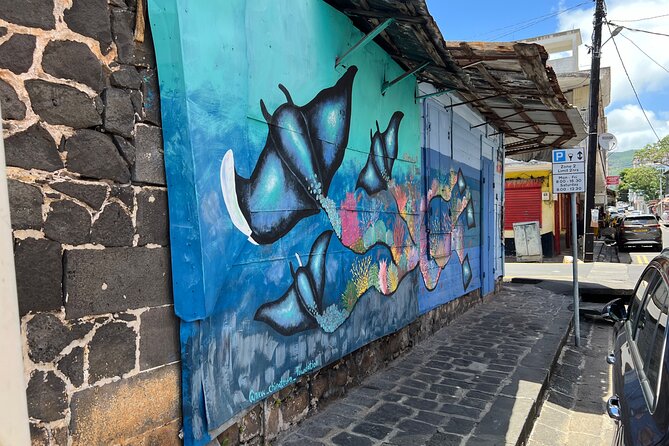
The strongest feature of this experience is the link between food and movement of people. Aapravasi Ghat explains the arrival of large numbers of Indian indentured laborers. Jummah Mosque reflects Indian and Islamic connections. Chinatown shows the long role of Chinese families and trade. The market brings those influences into everyday ingredients and snacks.
You are not simply ticking off five Port Louis sights. You are following the reasons the city tastes the way it does.
The food also keeps the history grounded. Gato pima is not presented as a museum object. It is a small, practical street snack made from inexpensive ingredients, but it carries familiar Indian influences and fits the pace of a market morning. Hakka-derived dishes in Chinatown make the same point from another angle.
I especially like that the walk includes old buildings and working shops rather than only restored monuments. Port Louis can feel rough around the edges, and that is part of the experience. You see a city still being used, not a set prepared only for sightseeing.
Is $49.40 Good Value?
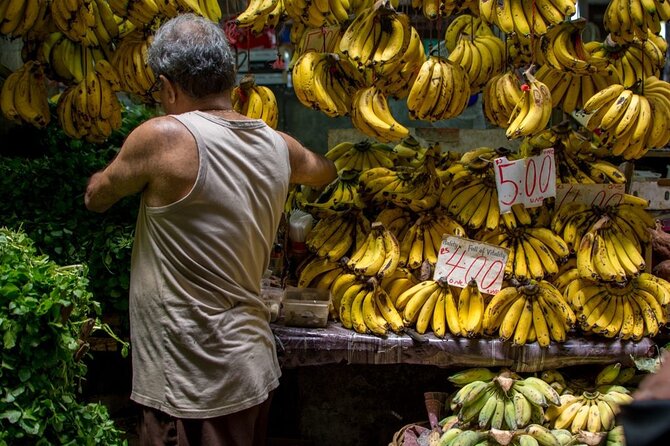
At $49.40 per person, the price is reasonable if you want both a meal and a guided city introduction. Included are snacks, lunch, food tastings, bottled water, and entry for the listed sights. You also get three to four hours with a local guide and a small group.
The value depends on how you normally explore. If you are happy finding market snacks alone and already know Port Louis, you may prefer to spend the money on separate meals. But first-time visitors often lose time deciding where to go, what to order, and how to understand the city’s historical layers. This tour bundles those decisions into one morning.
The food is not a token extra. About eight dishes are included, and the portions appear generous enough to replace lunch. That makes the price easier to justify, especially when you add the guide and site admissions.
The tour is booked an average of 38 days ahead, which suggests you should reserve early if your Mauritius dates are fixed. The group limit is only 10, and the small number of public comments is highly positive, with the strongest praise focused on the guide, the relaxed pace, the range of food, and the amount of history covered in three hours.
Who Will Enjoy This Walk Most?
I would choose this for a first or second day in Port Louis, when you want a broad orientation before exploring on your own. It suits people who enjoy street food, local markets, architecture, and history in equal measure.
It is also useful for anyone who might otherwise stay near the waterfront. One person described the walk as a way to reach parts of town they would not have explored alone. That is a real benefit. A guide helps you move beyond the most obvious visitor zone and notice the city’s less polished but more revealing corners.
Food-focused couples, small groups of friends, and curious solo visitors should fit the format well. The maximum of 10 keeps it personal without making it a private tour.
You should think twice if you dislike walking, prefer a seated restaurant meal, or need a carefully controlled diet. The supplied information says most people can participate, but it gives no detailed allergy or menu guidance. Ask the provider about dietary requirements before booking rather than assuming substitutions are available.
Practical Details That Matter
The meeting point is IBL House in Port Louis, with a 10:00 am start. The activity returns to that same meeting point and does not include hotel transfers.
Bring comfortable walking shoes and arrive ready for a full morning of food. Bottled water is included, but you may still want sun protection and a small amount of personal water for the walk. These are practical suggestions for a city walking route, not extra tour inclusions.
Free cancellation is available up to 24 hours before the local start time for a full refund. Changes or cancellations inside that window are not accepted for a refund. The tour depends on good weather and a minimum number of participants. If poor weather or low numbers cancel the activity, you are offered another date or experience, or a full refund.
Should You Book the Port Louis Food Tour?
I would book it if you want Port Louis explained through its food, people, and streets rather than seen from a vehicle. The combination of Aapravasi Ghat, Jummah Mosque, Chinatown, Central Market, and Company Garden gives the morning real range, while the included food makes the $49.40 price easier to defend.
The best reasons to choose it are the small group, the eight tastings, and the guide-led access to places you might skip on your own. Dourvesh receives especially strong praise for clear explanations and for shaping the walk around individual interests.
I would skip it only if you want a private itinerary, hotel pickup, or a formal lunch. For an easygoing introduction to Mauritius’s capital, with enough food to count as lunch and enough history to give the dishes meaning, this is a smart half-day choice.
FAQ
Where does the Port Louis Street Food City Tour start?
The tour starts at IBL House in Port Louis at 10:00 am.
Where does the tour end?
The activity ends back at the meeting point at IBL House.
How long does the experience last?
The tour lasts approximately three to four hours.
How many dishes are included?
The tour includes about eight different dishes to taste, along with snacks, lunch, and other food tastings.
Is hotel pickup included?
No. Hotel pickup and drop-off are not included, so you must arrange your own transport to and from IBL House.
What happens if the tour is canceled because of weather or low numbers?
You are offered a different date or experience, or a full refund. For your own cancellation, you must cancel at least 24 hours before the start time to receive a full refund.
More Food in Mauritius
- Mahebourg Village Food Tour
★ 5.0 · 35 reviews - Mauritius: Catamaran Sunset Cruise with Food, Drinks & DJ
★ 4.0 · 28 reviews - Street Food Private Tour in Port Louis
★ 4.5 · 23 reviews - Grand Bay Food Tour
★ 5.0 · 21 reviews
Just added around Mauritius
- Mauritius : private wild south fullday tour★ 5.0 · 3 reviews
- SouthEast Lagoon Discovery on shared basis on a Power Catamaran★ 5.0 · 3 reviews
- Mauritius: Private Guided South Tour with Pickup★ 5.0 · 3 reviews
- Mauritius: Ile aux cerfs, waterfalls and bbq Boat Day★ 4.8 · 3 reviews
- Mauritius Guided Kayak Experience to Benitiers Island★ 5.0 · 3 reviews
- Mauritius Guided Sunrise Kayak Tour on the Tamarin River★ 5.0 · 3 reviews
- 5 Islands Tour: New OCÉANE Private Pontoon Boat cruise★ 5.0 · 3 reviews
- Mauritius Hiking 7 waterfalls Trip with Ganga Talao & Lunch★ 4.7 · 3 reviews
Street Food Tours, compared.

Swim with turtles and Port Louis Street food tour
Read our review →
Browse the lists this tour appears in